At InterMD, our commitment is to understand your needs, relieve your pain, and improve your quality of life.
Musculoskeletal disorders are common and often very disabling. They represent a large proportion of medical consultations.
At InterMD Medical Clinic, we have developed specific expertise in their assessment and treatment.
Because there are many possible causes of pain, an accurate diagnosis is essential to guide you toward the most appropriate treatment.

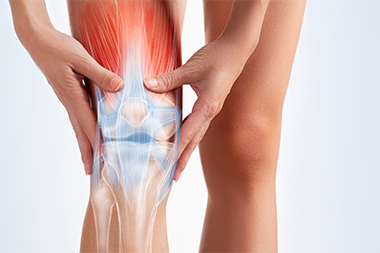
The knee, one of the most frequently used joints, allows movement while bearing much of our body weight.
Osteoarthritis: cartilage wear causing pain and stiffness.
Ligament sprains: often related to sports or sudden movements.
Meniscal injuries: damage to the shock-absorbing pads.
Tendinitis: pain in the front of the knee, common among athletes.
Osteoarthritis: cartilage wear causing pain and stiffness.
Ligament sprains: often related to sports or sudden movements.
Meniscal injuries: damage to the shock-absorbing pads.
Tendinitis: pain in the front of the knee, common among athletes.
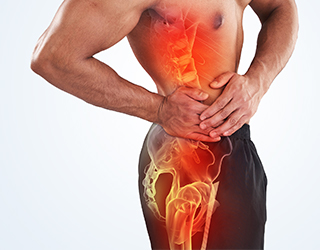
The hip supports body weight and enables movement. Though robust, it is under constant stress and prone to several issues.
Osteoarthritis: pain and stiffness, often felt in the groin.
Trochanteric tendinitis and bursitis: pain on the outer hip due to repetitive movements or prolonged positions.
Femoroacetabular impingement: specific internal hip conditions, common among athletes and physical workers.
Osteoarthritis: pain and stiffness, often felt in the groin.
Trochanteric tendinitis and bursitis: pain on the outer hip due to repetitive movements or prolonged positions.
Femoroacetabular impingement: specific internal hip conditions, common among athletes and physical workers.
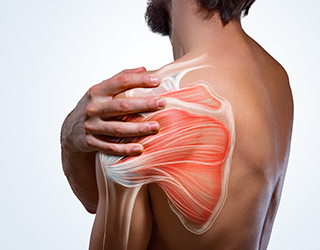
The shoulder allows great freedom of movement, but that mobility makes it vulnerable.
Tendinitis and tendinopathies: inflammation or damage of rotator cuff tendons due to overuse or repetitive movements.
Bursitis: inflammation of protective sacs around tendons.
Frozen shoulder (capsulitis): painful stiffness severely limiting motion.
Osteoarthritis: cartilage wear that makes daily movements difficult.
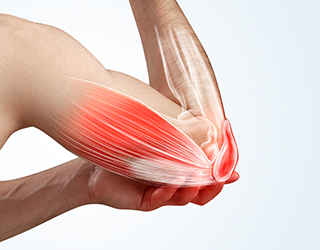
The elbow is vital for many everyday actions. Although strong, it is often affected by repetitive-motion issues.
Tendinitis and tendinopathies: such as lateral epicondylitis (tennis elbow), causing pain and weakness with movement or effort.
Osteoarthritis: less common, but possible after trauma or repetitive strain.
Tendinitis and tendinopathies: such as lateral epicondylitis (tennis elbow), causing pain and weakness with movement or effort.
Osteoarthritis: less common, but possible after trauma or repetitive strain.
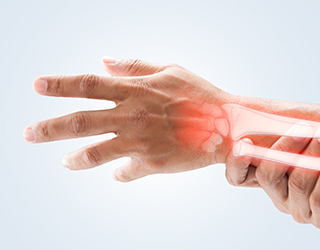
Essential for nearly all activities, they combine fine motor skills and mobility.
Tendinitis and tendinopathies: tendon pain from repetitive movements, as in De Quervain’s syndrome.
Osteoarthritis: especially in the thumb (rhizarthrosis) and fingers.
Carpal tunnel syndrome: numbness and weakness due to nerve compression.
Trigger finger: painful locking of a finger during flexion, caused by inflammation of the tendon pulley.
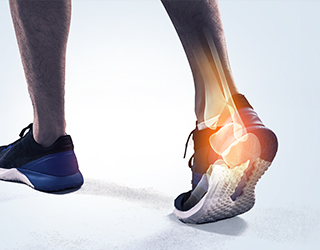
They support body weight and ensure stability and movement.
Ankle sprains: very common, often due to a misstep or sports activity.
Tendinitis: e.g., Achilles tendon injury causing pain and stiffness at the back of the ankle.
Plantar fasciitis: heel pain, especially when walking or standing for long periods.
Osteoarthritis: less common, usually following trauma.
Cortisone is a powerful anti-inflammatory medication used to reduce inflammation and pain. When injected directly into a joint, bursa, or around a tendon, it precisely targets the affected area.
Can also include (as needed):
Hyaluronic acid is a molecule naturally found in the body. In medicine, a purified, safe version is used and can be injected directly into joints or around tendons.
PRP is a regenerative medicine treatment used in musculoskeletal care that involves injecting a concentration of platelets derived from your own blood to stimulate the body’s natural healing processes. It helps repair tendons, ligaments, and certain joints, reducing pain and improving function in a durable manner.
Prolotherapy involves injecting a medical dextrose (sugar) solution into ligaments, tendons, or joints. This solution triggers a mild, controlled inflammatory response that stimulates the body’s natural healing and tissue-repair mechanisms.

Ask our physicians if these treatments are appropriate for your condition.
Included as needed during consultations: prescription medication, lab or imaging requisitions, specialist or allied health referrals.
*No referral required. Neck and back excluded from injection treatments.
Click on “Book an appointment now” to view pricing and service details.
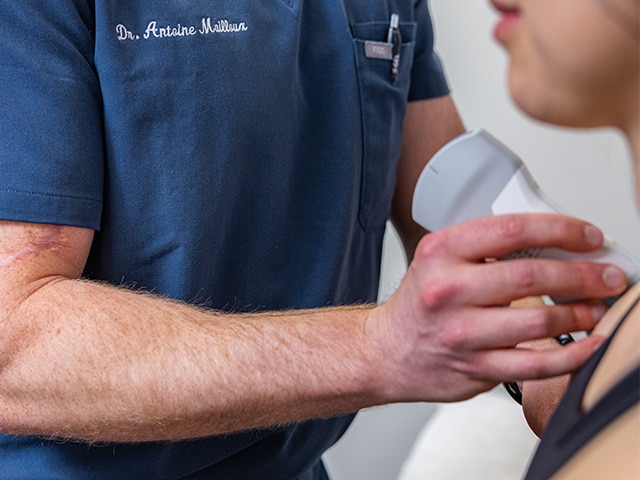
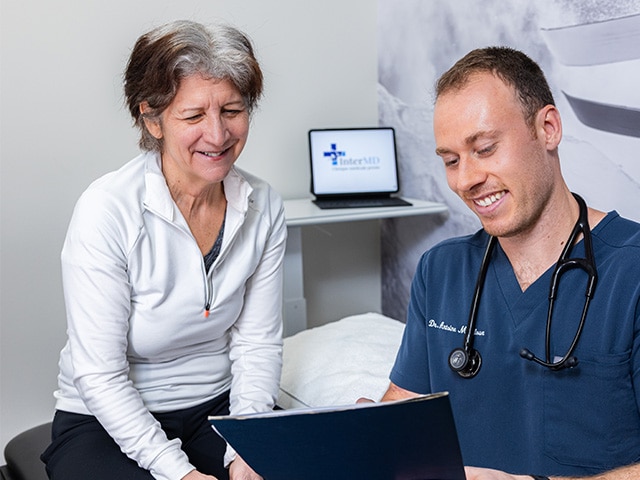
Musculoskeletal health focuses on the prevention, assessment, and treatment of pain and disorders affecting muscles, joints, tendons, ligaments, and peripheral nerves. The goal is to maintain or restore mobility, strength, and physical function, whether due to injury, overuse, or chronic conditions.
There are various treatment options available for musculoskeletal pain, and each case is unique. That’s why a medical consultation is essential to assess your condition, make an accurate diagnosis, and determine the most appropriate treatment. Depending on your situation, the procedure may even be performed during the same visit, saving you time and ensuring you get the best possible care quickly.
Follow-up visits help monitor the progress of your condition and adjust the treatment if necessary. This step is key to optimizing your results and ensuring proper recovery. You’re not left on your own — we remain available to answer your questions and guide you throughout your healing journey.
It’s not always easy to choose among the various types of injections available for musculoskeletal pain. Each one has its own indications and benefits. In this brief overview, we’ll break down the main types of injections to help you understand their purpose and advantages.
Cortisone injection
This is an effective option for reducing inflammation and pain caused by conditions like tendinitis, bursitis, and osteoarthritis. It helps improve mobility, reduce reliance on pain medication, and may delay surgical interventions. Its targeted action offers fast relief and helps restore daily function.
Viscosupplementation injection
This treatment relieves osteoarthritis-related pain by improving joint lubrication. It reduces friction, promotes smoother movement, and decreases the need for oral medications. Commonly treated joints include the knee, hip, shoulder, and ankle. Its effect usually lasts longer than cortisone, though it may take more time to reach full benefit.
Prolotherapy
See our article: What is prolotherapy?
Prolotherapy is a safe and effective treatment for chronic or persistent pain. It’s particularly beneficial for musculoskeletal injuries such as tendinopathies, ligament sprains, and osteoarthritis. By injecting a regenerative solution into the affected tissues, it triggers a controlled inflammatory response that promotes collagen production. This strengthens tendons, ligaments, and joints, enhancing stability and reducing pain. It offers a natural alternative to cortisone injections.
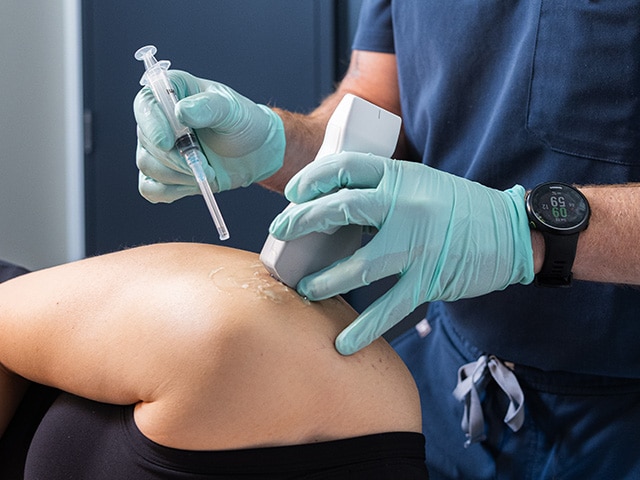
Ultrasound guidance ensures that the needle reaches the exact target structure, increasing the accuracy and effectiveness of the treatment while reducing the risk of complications or misplacement. It also improves patient comfort by minimizing pain and optimizing outcomes.